How many items fit in a carton after adding padding?
Calculate carton capacity from usable inside dimensions, check both item orientations and confirm the final packed size before pricing shipment.
Worked example: 48 items become 30 with protection
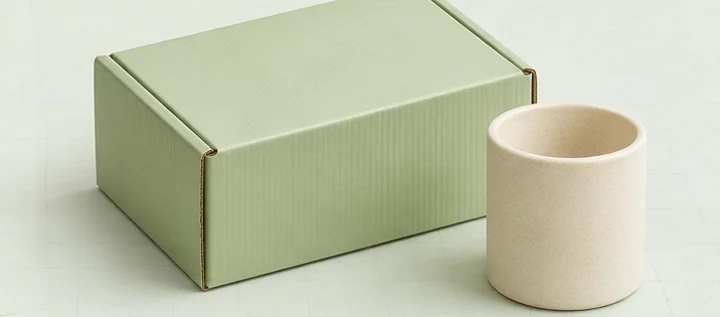
A carton measures 600 × 400 × 320 mm inside. Each item in its own packaging measures 150 × 100 × 100 mm and must remain 100 mm tall. A regular layout fits 4 items along the length, 4 across and 3 layers, for 4 × 4 × 3 = 48 items with 20 mm above the top layer.
Add a 10 mm lining to each of the six faces and the usable space becomes 580 × 380 × 300 mm. The original orientation now fits 3 × 3 × 3 = 27 items. Rotate the footprint by 90° and it fits 5 × 2 × 3 = 30 items. The better uniform layout gains three items without removing the lining.
From measuring cartons to verifying a shipment
Record inside and outside measurements separately
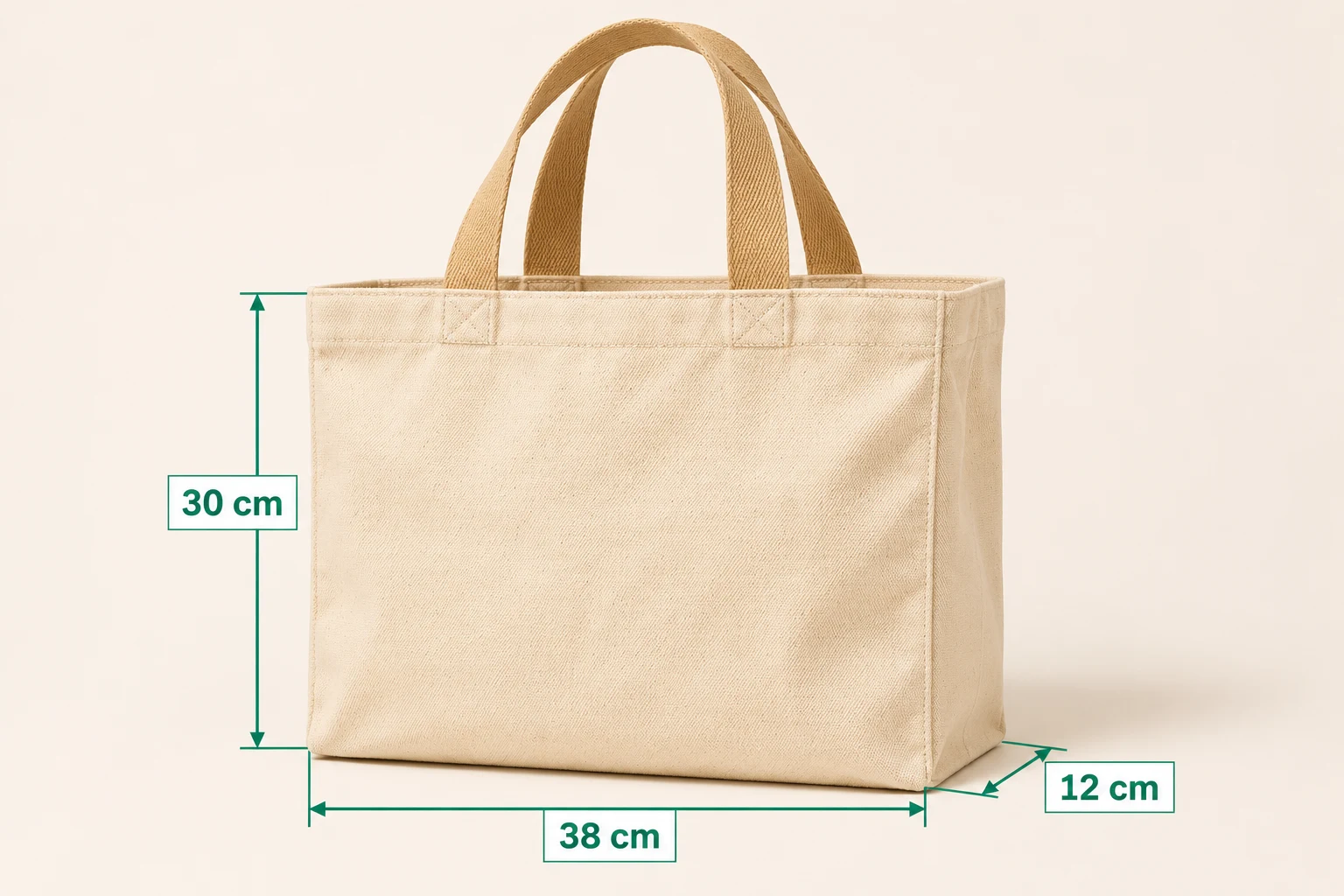
Use clear inside dimensions for capacity. Use the packed outside dimensions for shipping, including bulges, corner guards or reinforcing material where they extend the carton. Measure a real assembled box, since nominal sizes can describe different surfaces.
Measure the complete single item
Include the retail box, protective wrap and anything else that is already fitted when the item enters the shipping carton. Sample more than one item if dimensions vary. Decide whether the item must stay upright before trying rotations.
Budget padding by face and between items
Padding on opposite faces subtracts twice its thickness from that axis. In the example, each 10 mm lining reduces the usable direction by 20 mm. Add dividers, gaps or layer sheets separately when they occupy space. Check that you can place and remove items without forcing them.
Compare two uniform layouts
Round each direction down to a whole item count. Compare the original direction with rotating all items across the base. The result describes these layouts. Mixed orientations or an interlocking arrangement may give another result, which you can check with a separate plan or physical trial.
Price freight using a real packed carton
Measure the outside of a packed carton and weigh it. Use the carrier’s volumetric divisor, rounding rule and limits in the dimensional weight calculator. To compare two plans, check how many cartons are required and the billed weight per carton, rather than judging by count alone.
Pack one sample and document the layout
Use actual stock and protective materials. Check for movement, compression and whether the box closes flat. Take a top-down photo of a layer and record the item orientation, layer count and accepted carton dimensions for the packing team.
Carton and pallet packing
Preview packing orientation, layers and total quantity.